


By Michele Coleman, Director of Monitoring, Evaluation, and Learning.
Bolivia looks good on paper.
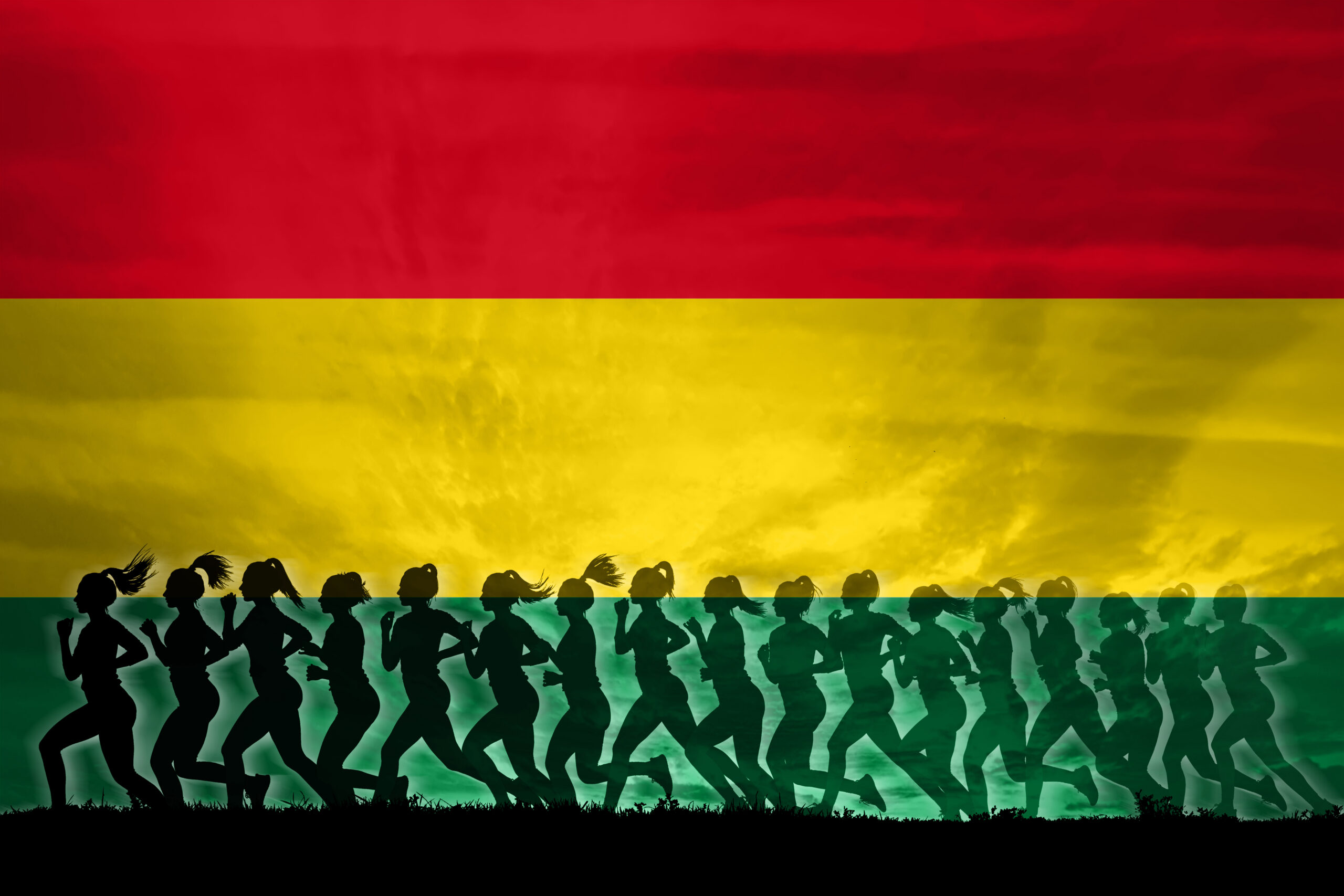
A parity law passed in 2010 requires equal representation of men and women across Congress and local government. Currently, women hold over 46% of parliamentary seats. By those numbers, Bolivia is outperforming most of the world.
And then you read the other numbers:
- Nearly 75% of Bolivian women and girls have experienced physical, sexual, psychological, or economic violence in their lifetime.
- The country has the second highest femicide rate in the region.
- Almost two out of 100,000 women in the Bolivian territory were murdered in 2021.
- Only one percent of gender-based violence cases in the country end in prosecution.
So, what exactly did that parity law change?
We talk about representation like it’s the destination: Get women into office. Problem solved.
But when the women who hold those seats face documented harassment and violence just for being there, the number starts to feel like a cover.
Bolivia didn’t fail to count women. It failed to protect them.
And if adult women in political office can’t fully participate and lead safely, what does that mean for a 13-year-old girl in La Paz, where her mother still asks her father for permission to make everyday decisions?
Bolivia has one of the highest adolescent pregnancy rates in Latin America. Teen pregnancy is highest among rural girls, girls with lower education, and girls from minority ethnic communities, and it’s frequently the result of sexual abuse.
About half of Bolivia’s women are indigenous. They face lower educational attainment, higher maternal mortality, and less access to healthcare. Language barriers keep many from reaching the services that technically exist for them.
The parity law does not change these realities.
What can create change is something much harder to legislate. It’s whether a girl believes her opinion is worth saying out loud. Whether she’s ever been in a room where someone asked what she thought, and actually waited for the answer. Whether she has any sense, at 13 or 14, that her life is something she gets to shape.
That’s what we mean by voice and agency.
Not a program outcome on a report. The actual, internal experience of knowing you have standing. And it matters here because the violence, the early pregnancy, and the political representation that exists only on paper is connected to what girls are taught to believe about themselves before they’re even old enough to vote.
Safety isn’t just physical. It starts with whether a girl has ever been encouraged to take up space and speak up.
GLOW Club is designed to provide such spaces. Girls meet regularly with local mentors from their own community, work through a curriculum focused on self-confidence, decision-making, and leadership, and practice using their voice in a setting where speaking up is not only allowed — it’s the whole point.
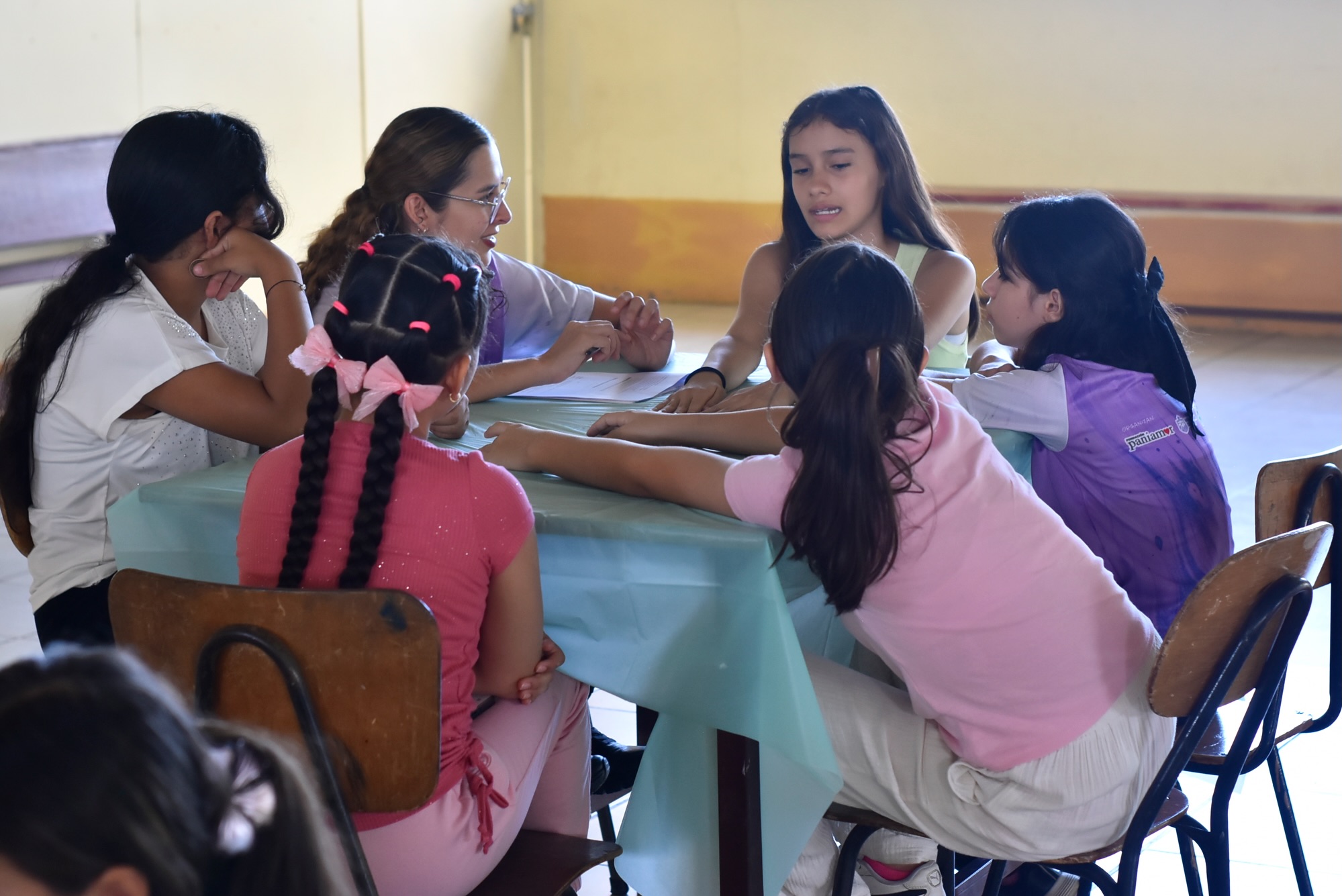
Active in more than 30 countries, GLOW Clubs provide a safe space for girls in Bolivia and around the world to find and use their voice. Picture here: a club session in Costa Rica
The goal isn’t to produce a certain kind of girl. It’s to give her enough ground under her feet that she can figure out who she already is.
When we launched GLOW Clubs near La Paz in early 2026, the mentors began a club session with a seemingly simple question: Who here is proud to be a girl?
Nobody raised their hand.
Not because the girls had nothing to be proud of. But because they’d been taught, from everything around them, that being a girl was something to manage quietly.
One mentor, Laura, put it plainly: “Being shy is seen as being a good girl.”
Just two months later, those same girls were different. A girl who previously spoke to only one friend was now working with her peers in groups. A girl who never spoke in front of others was, in her mentor’s words, expressing herself with confidence and leadership. When a younger girl’s parents tried to pull her from the program, the older girls embraced and protected her — even though they barely knew her.
“Safety isn’t just physical. It starts with whether a girl has ever been encouraged to take up space and speak up.”
One girl left her mentor a handwritten note that said: Thank you for teaching me how to be brave.
Some parents fought the program at first. One father said his daughter would be better off learning math. Others were suspicious that it may be about “feminism.” Mothers told mentors they needed permission from the girls’ fathers just to let them attend.
But then, something shifted beyond the girls. The father who said to learn math instead later asked if the program could expand into more rural areas. Parents who’d been skeptical of the clubs started writing to mentors and sharing a remarkable observation: My daughter is growing.
When you change a girl, she starts to change her family. And in time, the community catches up.
Bolivia’s political progress is real. The gap between what the law promises and what women and girls actually live is also real. Those two things exist at the same time. And we are committed to bridging that gap.
Representation without safety isn’t progress. It’s just a number.
Girls need to believe their voice matters before anyone hands them a microphone. They need someone to ask them, more than once, in a place where the answer is actually safe: Who here is proud to be a girl?
In time, they will raise their hand.
Interested in learning more about GLOW Club? Read about our impact in Malawi: Witnessing the Human Impact of USAID Cuts on a Refugee Camp Left Behind.
Global Catalyst mentors girls around the world to become powerful advocates and confident leaders. Our signature program, GLOW Club, connects girls in some of the world’s most underserved areas with trusted local mentors and a safe space to express themselves as they develop their agency, find their voice, and build their power. Since our founding, we’ve ignited the power of more than 100,000 girls, sparking a growing movement of youth-led change that is transforming communities — and the world — for the better.