



Women of the Sea: How Huanchaco’s Girls Are Leading Environmental Change

November 4, 2025
By Valeria and Saina from Peru
Huanchaco is a seaside town located in the northern region of Peru. It is considered worldwide as the birthplace of surfing, since our traditional reed watercraft, “caballito de totora,” is recognized as a precursor to this sport. Both international tourists and local visitors are welcomed by its rebellious and challenging waves—and by the treasures they find in the sand.
Huanchaco and a Struggle That Includes Us All
Today, Huanchaco faces major environmental challenges that affect the health of its residents, especially vulnerable populations such as children, the elderly, and pregnant women. In 2025, the visible accumulation of garbage on beaches and streets, along with constant sewage discharges, has led us to recognize situations that demand action. We affirm that taking the initiative to clean our beaches and our community helps significantly to confront this problem. For women in particular, it is vital to empower and encourage each other to care for the sea, thus preventing diseases that affect us all—girls, adolescents, pregnant women, adults, and the elderly.
Direct exposure to contaminated water can cause problems such as gastrointestinal diseases and specific women’s health issues that impact reproductive health, including ovulatory disorders, hormonal imbalances, and fetal abnormalities in pregnant women. It also considerably increases the risk of breast and ovarian cancers.

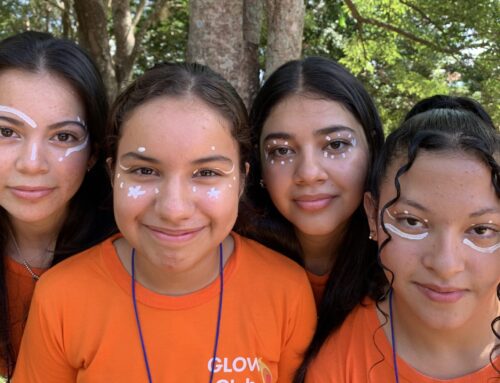
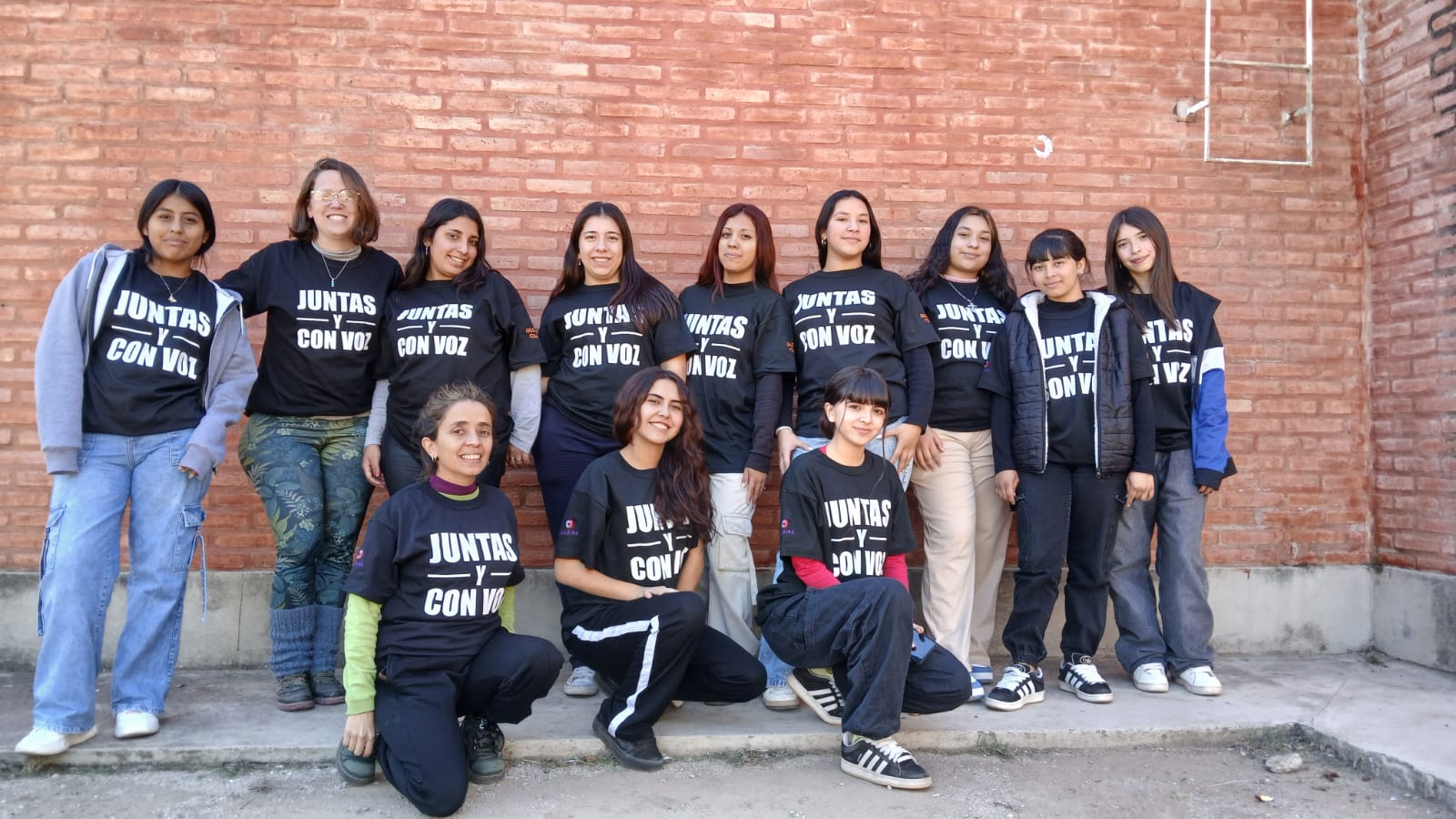
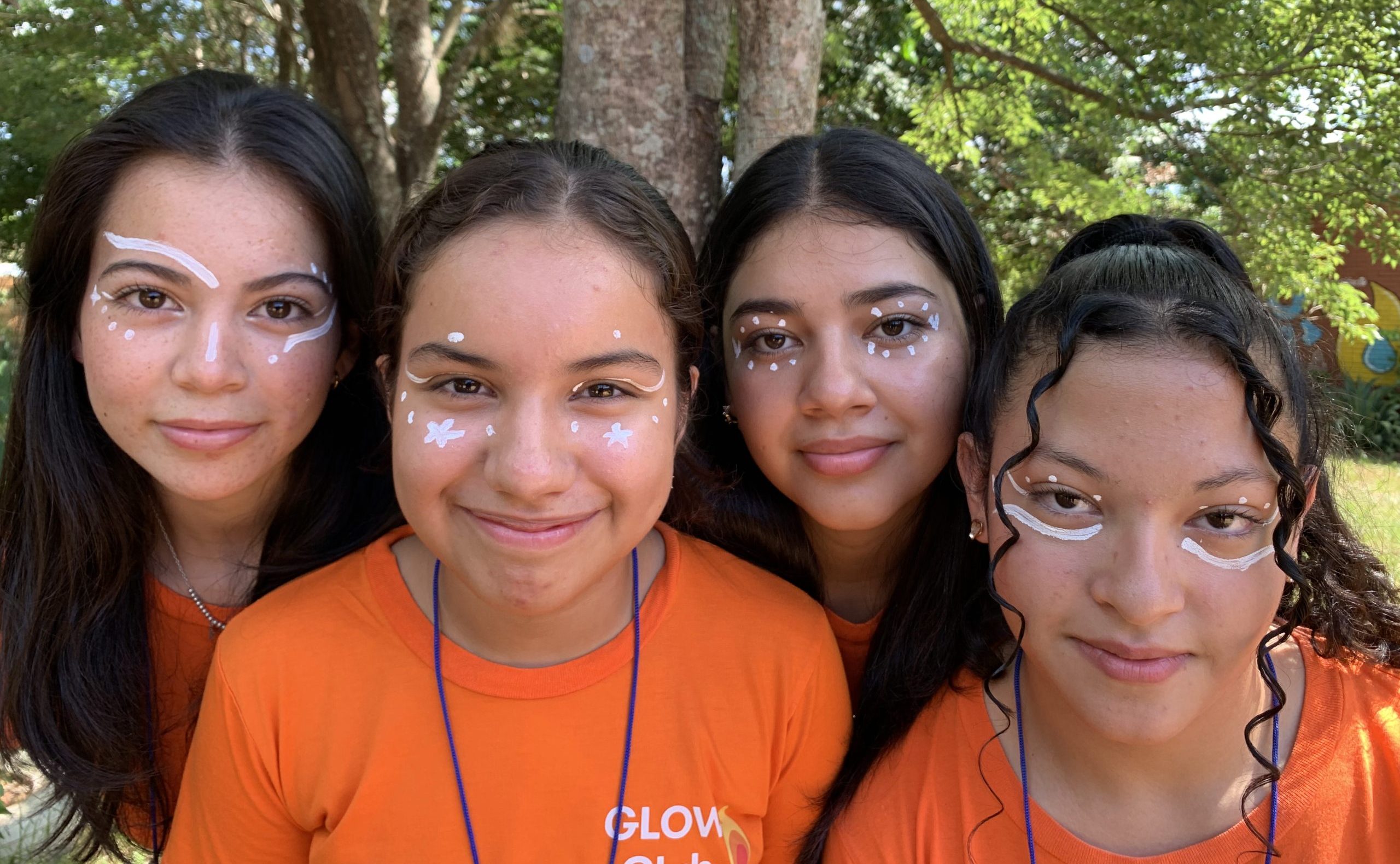
Together with her sister and peers in GLOW Club, Valeria advocates for a cleaner, safer Huanchaco.
“The effects of the pollution of our sea in Huanchaco on women cannot be denied. The evidence is there in multiple cases of diseases that affect our stomachs, cause vaginal inflammation, high-risk pregnancies, skin problems, and more. We need to act to save Huanchaco.”
— Yaquelin Delgado (Teacher in Huanchaco and GLOW Club Mentor)
Another Challenge: Menstrual Hygiene Products
Another problem lies in the menstrual hygiene products we use—such as sanitary pads, tampons, and menstrual cups — which, due to poor waste management, often end up on streets and in the ocean. This is an issue not only because of their long decomposition time but also because of the micro-particles that end up in the sea, becoming food for fish—and eventually reaching our plates. In the end, we are consuming microplastics ourselves.
Studies show that sanitary pads take 500 to 800 years to decompose, traditional tampons around 800 years, and condoms anywhere from 100 to 1,000 years (BBC News, 2025).

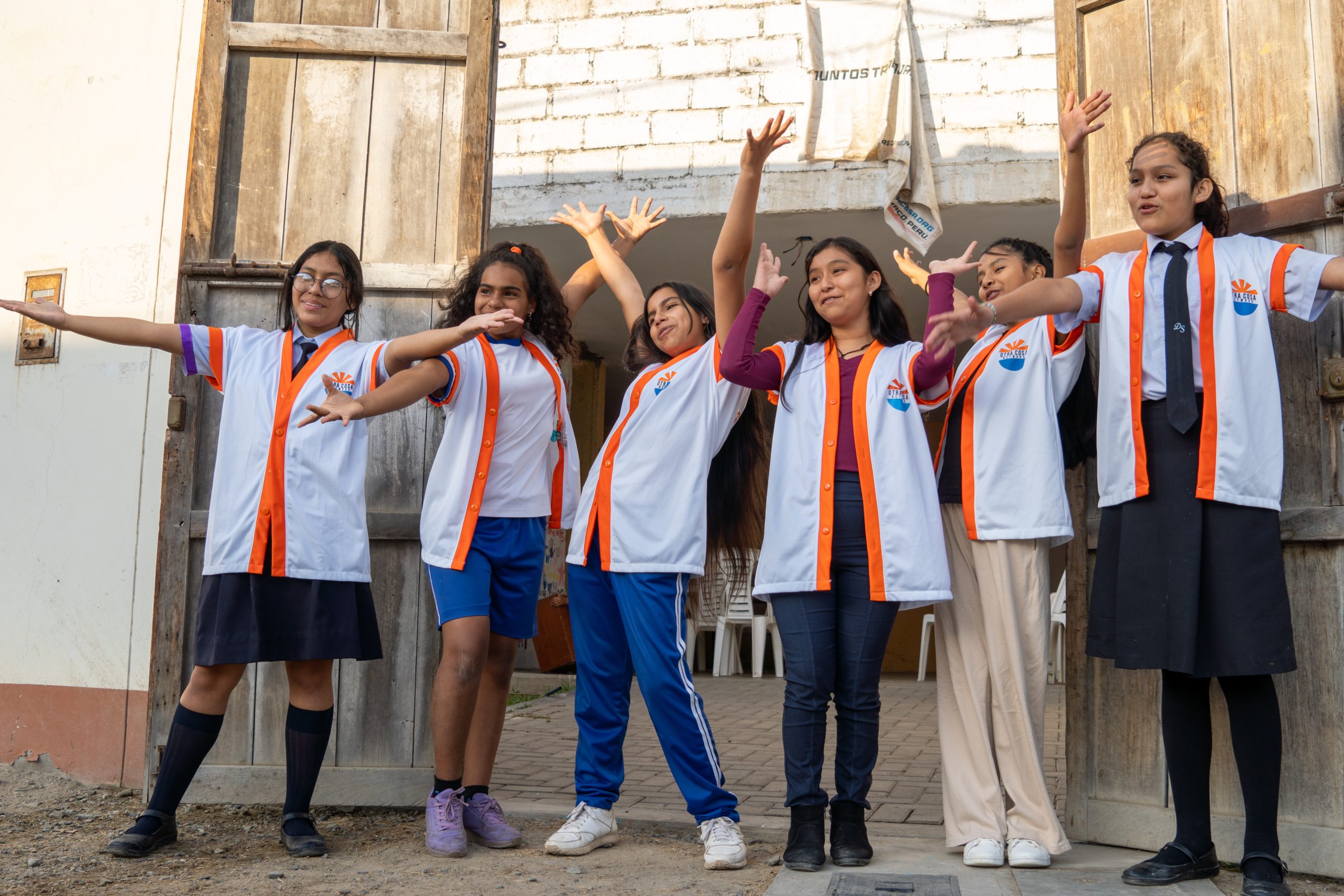
Cultural pride runs deep for girls in Huanchaco. Their history, traditions, and connection to the sea guide their advocacy and hope for the future.
Looking to the Future With Hope
Women need greater participation in the local economic activities of our community. We need more women fishers, harvesters, and sellers of marine products. This way, we can become more aware and take an active role in addressing the environmental problems that affect our community—and work together toward solutions.
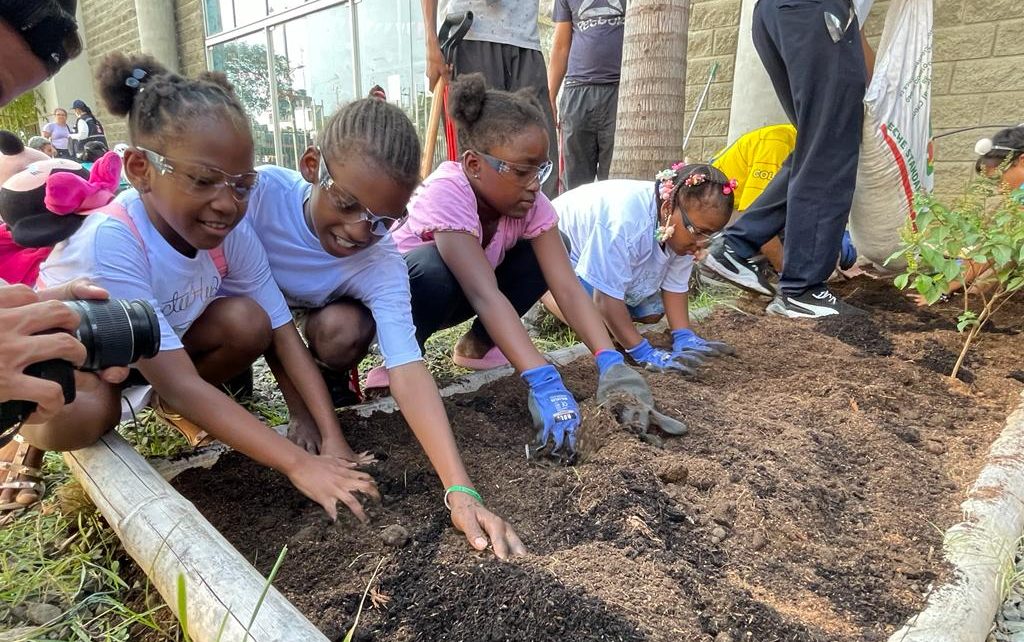
Promoting and organizing cleanup campaigns allows the entire population—from the youngest children to the elderly—to get involved. This was evident during our last march in July of this year, where we raised awareness among children and adolescents. It was deeply rewarding for us.
We also make a call to action: we hope local authorities will continue to develop laws and climate action projects that benefit communities and ensure equal rights for Peruvian women.
Global Girls Glow mentors girls around the world to become powerful advocates and confident leaders. Since inception, our GLOW Clubs have ignited the power of over 91,000 girls to do 3 transformative things: increase their confidence, strengthen their voice, and build their power. You can support powerful advocates and confident leaders like Valeria and Saina at globalgirlsglow.org/donate.